

Keeping mice and other pests out of a storage container starts with checking the unit, controlling what goes inside and inspecting stored goods regularly. Steel walls do not prevent pests arriving in packaging or entering through damaged seals and open doors. Good housekeeping around the container matters as much as the condition of the unit itself.
A container left untouched for months can hide problems until stock is needed. Set up a simple inspection routine from the start. It should cover entry points, packaging, signs of activity and the surrounding yard, with a named person responsible for reporting concerns.
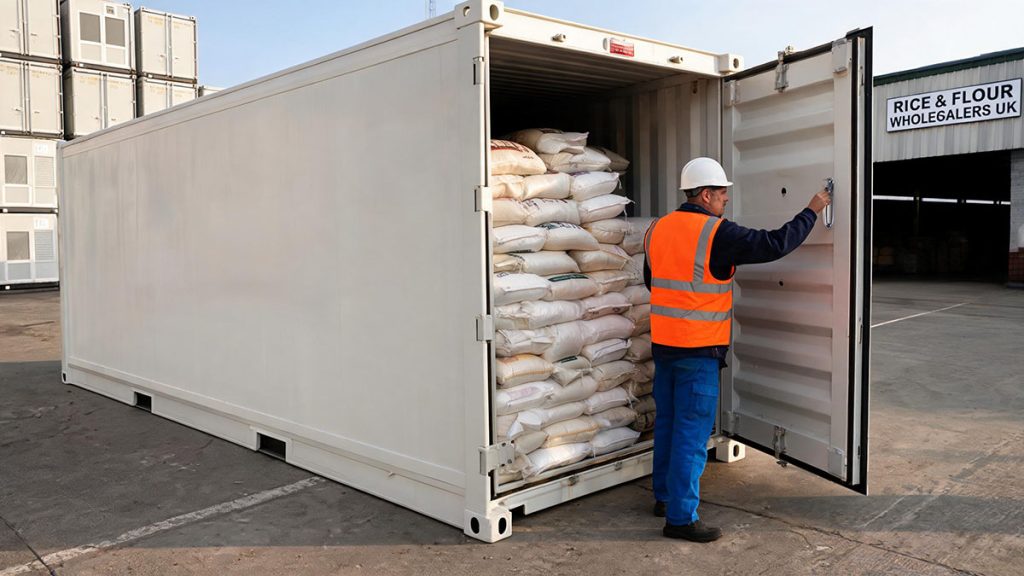
Check the Container Before Loading
Inspect the doors, seals, floor edges and visible gaps before your goods arrive. Look for damage or loose fittings and photograph anything uncertain. Report concerns to the supplier rather than trying to repair a hired unit without permission.
Check existing dirt, nesting material or damaged packaging left near the proposed position. Start with a clean interior and clear floor. If there are signs of an existing infestation, pause loading and ask for advice before adding your goods.
Protect Ventilation While Checking Entry Points
Do not seal ventilation openings simply because they look like possible access points. Blocking airflow can create other storage problems. Ask the supplier whether the existing vent design is suitable and what approved protective measures can be used.
Proofing should suit the container and the pest identified. Expanding foam or temporary tape should not be treated as a dependable repair for every gap. Avoid drilling, welding or changing door seals without agreed instructions.
Inspect Goods and Packaging Before They Go Inside
Pests can travel with stock, used furniture, pallets and second-hand equipment. Check items before loading, particularly those previously kept outdoors, in a shed or in another storage area. Look for droppings, chewed material, insects and unusual debris.
Do not transfer a damaged box directly into the container because it is convenient. Inspect its contents and replace unsuitable packaging. Keep incoming goods separate until checks are complete, especially where several suppliers deliver to the same storage area.
Our guide to suitable container contents can help with wider storage decisions. Food, animal feed and similar products need particular care, along with a storage environment appropriate to their packaging and intended use.
Choose Boxes That Suit the Goods
Use clean, intact containers with secure lids where appropriate. Packaging should protect the contents without trapping moisture or conflicting with manufacturer instructions. Cardboard can be practical for some goods, but it should not be assumed to be pest-proof.
Keep labels clear so staff can inspect the right stock without opening everything. Separate clean goods from returns awaiting assessment. A tidy layout makes it easier to spot changes in packaging or signs of activity.
Remove Food Sources and Hiding Places
Keep food waste, pet food and loose feed out of a general business store. Check that bins nearby have suitable lids and are emptied as needed. Avoid leaving staff snacks or lunch packaging on shelves after retrieving tools.
Clear unnecessary piles of cardboard, discarded pallets and rubbish around the doors. Keep vegetation from obstructing inspections. The aim is to make the area easy to check and less attractive as a sheltered place for pests.
The BPCA’s mouse prevention and control advice explains the importance of proofing and recommends professional help for infestations. Use identification and prevention together rather than relying on a single deterrent.
Keep the Interior Easy to Inspect
Leave enough space to check floor edges and the area behind stored goods. Do not pack stock tightly against every wall if it prevents access for inspections. Suitable shelving can make cleaning and checking easier, provided its use is approved and its loading limits are followed.
Put frequently used stock where staff can reach it without disturbing the entire store. This reduces the temptation to leave doors open while searching. Keep the doorway clear and close doors when the container is unattended.
The article on organising a shipping container covers layout considerations. For pest prevention, the key is visibility: hidden corners and forgotten packaging are harder to monitor.
Set a Routine for Signs of Pest Activity
Choose an inspection schedule that suits the contents and location. High-risk goods or an area with known pest activity may need more frequent checks. Include inspections after new deliveries, a period of closure or changes in nearby waste storage.
Record the date, inspector and findings. Look for chewed packaging, droppings, nesting material and live or dead insects. Photograph anything unusual and compare it with previous checks. Do not guess the pest from one sign if the identification is uncertain.
Ask staff to report concerns promptly rather than moving affected goods to another store. Unplanned transfers can spread a problem. Keep a record of where suspect stock came from and which other items were stored nearby.
What to Do if You Find Pests
Stop using affected stock where contamination or damage is possible. Arrange an assessment with a suitable pest-control professional and inform the container supplier about any suspected structural entry points. Follow advice on cleaning and disposal.
Avoid dry sweeping suspected rodent contamination or handling unknown residues casually. Seek appropriate cleaning guidance and protective measures. Do not put poison around a container without understanding the product instructions, suitability and risks to other animals or people.
After treatment, address the cause rather than simply removing visible signs. That might mean repairing an approved entry point, changing waste arrangements or improving incoming-stock checks. Continue monitoring so you can see whether the action has worked.
Frequently Asked Questions
Are Shipping Containers Mouse-Proof?
An intact unit can provide a strong barrier, but pests may enter through damage, open doors or incoming goods. Inspection and housekeeping are still needed.
Should I Block the Vents to Keep Pests Out?
No. Ask the supplier about approved protection that preserves airflow. Blocking ventilation can create moisture problems and does not address pests carried inside with stock.
What Should I Ask Before Hiring a Container?
Discuss the contents, proposed position and any existing pest concerns. Compare containers for hire and contact Unit Group about the condition and permitted fittings before booking.