

Returning a hired shipping container involves more than emptying the last box. Check the supplier’s notice requirements, remove your equipment, clean the interior and make the collection route accessible. Photograph the condition and keep written confirmation of the agreed collection arrangements.
A little preparation helps avoid last-minute problems. The delivery route may have changed since the unit arrived, shelving might still be fixed inside, or parked vehicles could block the collection vehicle. Treat the return as a planned task with a named person responsible for the final checks.
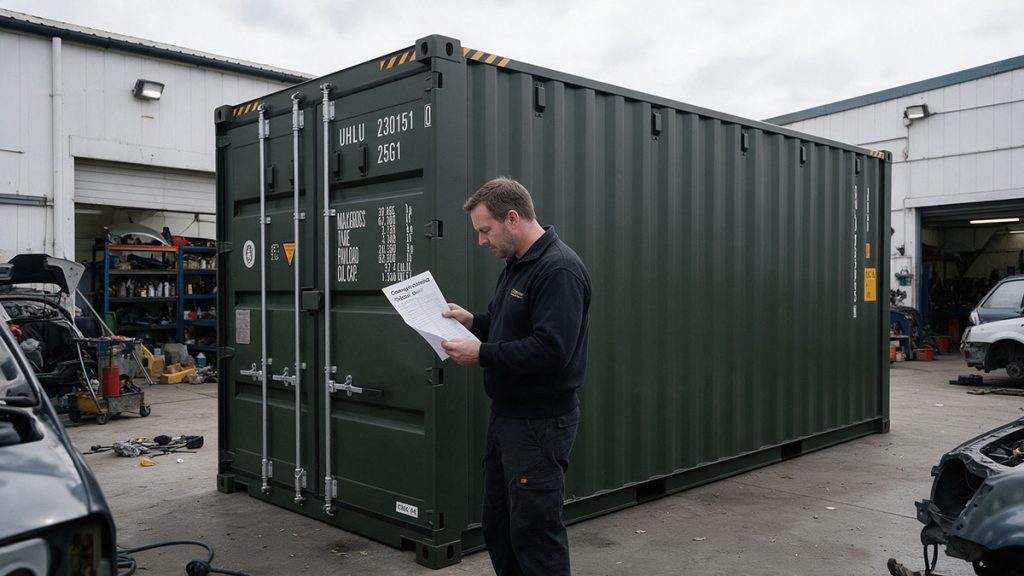
Check the Hire Agreement Before Booking Collection
Start with the terms you accepted when ordering. Look for notice periods, minimum hire commitments, return-condition requirements and the point at which hire charges stop. Do not assume that sending an email immediately ends the hire or that collection is available on any requested date.
Tell the supplier when the unit will be empty and ask for confirmation of the next steps. Include the container reference, site address and contact details. If you need more time, discuss it before the expected return date. The guide to container hire duration explains wider timing considerations.
Confirm Which Accessories Must Be Returned
Check whether locks, ramps, shelving or other accessories were supplied as part of the hire. Make a list and identify any missing items early. Keep supplied fittings separate from equipment your business installed later.
Ask how keys and padlocks should be handled. A collection driver needs the agreed access, but removing security too early may leave the empty unit vulnerable. Follow the supplier’s instructions rather than leaving keys in an unapproved place.
Empty the Container Completely
Work through your inventory and inspect every corner, shelf and box. Small items can remain behind when the main stock has been removed. Check above shelving, under pallets and near the doors, especially where several people have used the unit.
Remove your packaging, temporary labels and freestanding equipment. If you fitted anything with permission, check the agreed removal arrangements. Do not tear out approved fixtures or repair fixing holes without discussing the return requirements first.
Arrange proper disposal for unwanted goods. A hired container is not a skip, and leaving waste inside for the supplier to remove is different from returning an empty unit. Do not leave batteries, chemicals, oils or other hazardous materials behind.
Clean the Interior Without Damaging It
Sweep or vacuum loose dirt and debris, then check the floor for stains or spills. Use cleaning methods and products suitable for the flooring and approved by the supplier. Avoid soaking the interior or using strong solvents to remove stubborn marks.
If liquid has leaked, explain what it was and ask how to deal with it. Unknown residues need care, particularly where chemicals or industrial equipment were stored. Do not cover staining with paint or boards to make the floor appear undamaged.
Leave the Unit Dry and Accessible
Allow time for cleaned surfaces to dry before the final inspection. Remove water trapped in packaging or beneath loose mats. A clean container should not be handed back with wet flooring or hidden rubbish.
Keep your own cleaning tools available until checks are finished, but remove them before collection. Make a final walk-through with whoever managed the hire. This catches items left by different departments or contractors.
Compare the Condition with Your Delivery Record
Use the photographs or inspection notes taken when the unit arrived. Look at the floor, walls, doors, seals and supplied fittings. Record anything that changed during use and report concerns before collection.
Some appearance changes may reflect normal use, but the hire agreement determines how condition is assessed. Avoid making your own assumptions about chargeable damage. Clear photographs and an honest description help the supplier understand what needs reviewing.
Check that doors open and close normally. Do not force a difficult door, alter its mechanism or attempt to move the container yourself. If a problem has developed, explain it so the collection team can plan accordingly.
Recheck the Collection Route
Inspect the route from the road to the container. Gates, scaffolding, skips, parked cars and newly installed fencing can prevent a vehicle using the same access as before. Send updated photographs if the site layout has changed.
The ground and unloading position also need checking. Soft areas, recent excavation or surface damage can affect collection arrangements. Ask the supplier to assess anything uncertain rather than waiting for the vehicle to arrive.
The HSE’s loading and unloading guidance supports planning a clear, controlled area. Keep staff, customers and other vehicles away from collection operations, following the driver’s instructions and the agreed site arrangements.
Prepare Paperwork and a Site Contact
Nominate someone who can attend, open the container doors if required and deal with access questions. Make sure they have the booking reference and a supplier contact number. Tell them about any site restrictions or issues already reported.
Keep your return photographs, correspondence and any collection receipt together. If something is recorded differently from your own inspection, raise it promptly in writing. A clear record is useful if you later need to query the closing invoice.
Final Collection Checklist
- Confirm notice, collection arrangements and when hire charges end.
- Remove all stock, rubbish and your own equipment.
- Check supplied accessories and key arrangements.
- Clean appropriately and allow the interior to dry.
- Photograph the condition and report any damage.
- Clear access and nominate a site contact.
Frequently Asked Questions
Can I Leave Shelving Inside When the Container Is Returned?
Only where the supplier agrees. Supplied shelving and your own shelving may have different return arrangements, so check before removing or leaving anything.
Do Hire Charges Stop When I Request Collection?
Not necessarily. The agreement and confirmed off-hire arrangements determine the end of charging. Ask for written clarification, particularly if collection and the requested end date differ.
What if I Need Another Storage Container Later?
Keep your storage list and site measurements for the next enquiry. Compare containers for hire and contact Unit Group when you have dates. Availability and return terms should be confirmed for each booking.