

Trade teams can share a hired shipping container in Widnes where the supplier allows it and the storage arrangement is clearly agreed. Each team needs defined space, access rules and responsibility for its goods. Shared use should make storage easier, rather than leave everyone uncertain about missing tools, damaged stock or the hire bill.
A container in a shared yard can suit several trades working from the same premises or project. Electricians might need boxed fittings, decorators might store clean equipment, and joiners could need room for fixings and spare tools. The arrangement works best when one named person manages the hire and everyone follows the same rules.
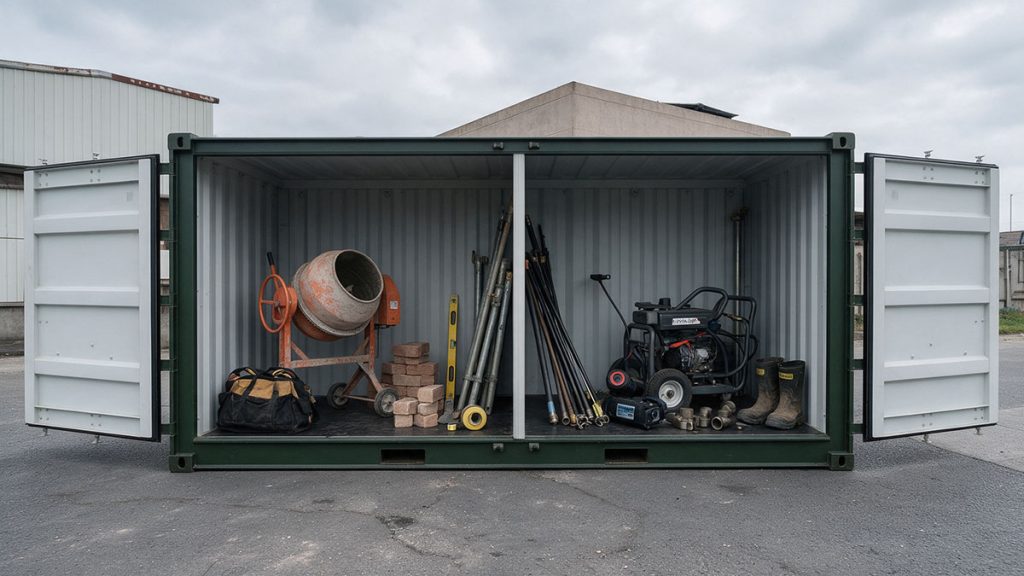
Confirm Permission Before Sharing the Space
Read the hire agreement before allowing another business to use the unit. Sharing storage is not automatically the same as subletting equipment, and the supplier may impose conditions. Explain who will use the container, what they intend to store and whether the arrangement could change during the hire.
Also check the yard agreement. A landlord may have restrictions on access hours, visitors, parking or commercial use. Confirm that each team’s insurance arrangements cover its property in the proposed location. Avoid assuming that one business’s policy covers everyone else’s goods.
Name the Main Hirer and Storage Coordinator
Identify who signs the hire agreement, receives invoices and deals with the supplier. Separately, name a person who manages day-to-day storage. Those roles can belong to the same person, but both should be clear from the outset.
Record what happens if a team leaves early or a project runs late. Agree who can request an extension, book collection or approve alterations. A short written agreement between the users helps prevent one team’s decision from creating costs for the others.
Allocate Storage Zones Before Loading
Divide the interior into labelled areas that match the items being stored. Use team names or simple zone codes on shelves and boxes. Avoid relying on coloured tape alone, since new workers may not understand which colour belongs to which trade.
Keep shared access routes clear and agree a space for bulky items. A team storing long equipment should not have to move another business’s stock every morning. Compare the container sizes available for hire against the combined storage list, allowing room for people to retrieve items safely.
Agree What Cannot Go Inside
Produce an approved storage list for each team. Do not let a general tool store gradually become a place for fuel, solvents, gas cylinders, batteries or waste. These items may need different arrangements, and supplier acceptance must be checked.
The guide to suitable shipping container contents gives broader examples. Keep materials with different storage needs separate, and do not carry out charging, cutting or repair work simply because there is spare floor space.
Control Keys Without Slowing Everyone Down
Decide who needs access and how keys will be issued. Record each holder, require keys to be returned when workers leave, and agree what happens if a key goes missing. Avoid informal arrangements where keys are passed around without anyone knowing who has them.
A sign-in record can be useful where valuable equipment is stored. It need not be complicated: record the person, time and any goods removed or returned. Choose a method that staff will actually use, whether that is a shared form or a paper log held somewhere secure.
Use appropriate locks and check the supplier’s conditions before fitting extra security. Our guide to container security accessories describes options. Agree who checks that doors are locked at the end of the day, including when one team finishes later than the others.
Record Ownership and Tool Movements
Mark valuable tools and keep serial numbers, photographs and purchase records. For shared equipment, state who owns it and who can authorise borrowing. A tool left on a common shelf should not automatically be treated as available to everyone.
Use a separate register for loaned items. Record who took the tool, its condition and the expected return time. This is particularly useful when teams travel between jobs and equipment might otherwise remain in a van after the project ends.
Keep consumables separate from reusable tools. Agree whether common fixings or supplies are shared, paid for by usage or owned individually. Clear rules are more useful than trying to settle disagreements after a box has been emptied.
Manage Yard Access and Shared Working Hours
A Widnes trade yard may have deliveries, parked vans and several businesses using the same entrance. Position the container where its doors can open without blocking the normal route. Allow safe access for people carrying equipment, including in darker months.
The HSE’s loading and unloading guidance is a useful reference when arranging movement around shared premises. Discuss vehicle routes, unloading areas and who can move parked vehicles before container delivery or collection.
Set a routine inspection date. Check locks, packaging, access routes and unauthorised contents. Deal with problems together and record the action taken, rather than allowing each team to assume someone else has already reported them.
Plan Costs and the End of the Hire
Agree how hire, delivery, collection and any accepted additional charges will be divided. The split might reflect allocated space or the period each team uses it. Make the arrangement explicit and set a payment schedule.
Before collection, give every user a deadline to remove goods. One forgotten toolbox or rack can delay the whole return. Check the empty unit together, photograph its condition and confirm who returns keys and attends collection.
Frequently Asked Questions
Can Two Separate Businesses Share One Container?
They may be able to, subject to supplier approval, site rules and insurance. Confirm these points before sharing keys or accepting another business’s stock.
Who Is Responsible if a Tool Goes Missing?
Responsibility depends on your agreements and the circumstances. Record ownership, access and borrowing arrangements in advance. Ask your insurer about cover rather than assuming shared storage creates shared protection.
How Do We Arrange Shared Container Hire in Widnes?
List each team’s goods, intended use and access requirements. Ask Unit Group about container hire, explaining the shared arrangement so permissions and responsibilities can be discussed before booking.